Daily Research Note ยท 2026-05-15

Evidence gates before big claims.

The bottleneck in AI research is not only invention. It is trust: whether a claim can be traced to data, replayed by others, bounded by assumptions, and separated from marketing language.

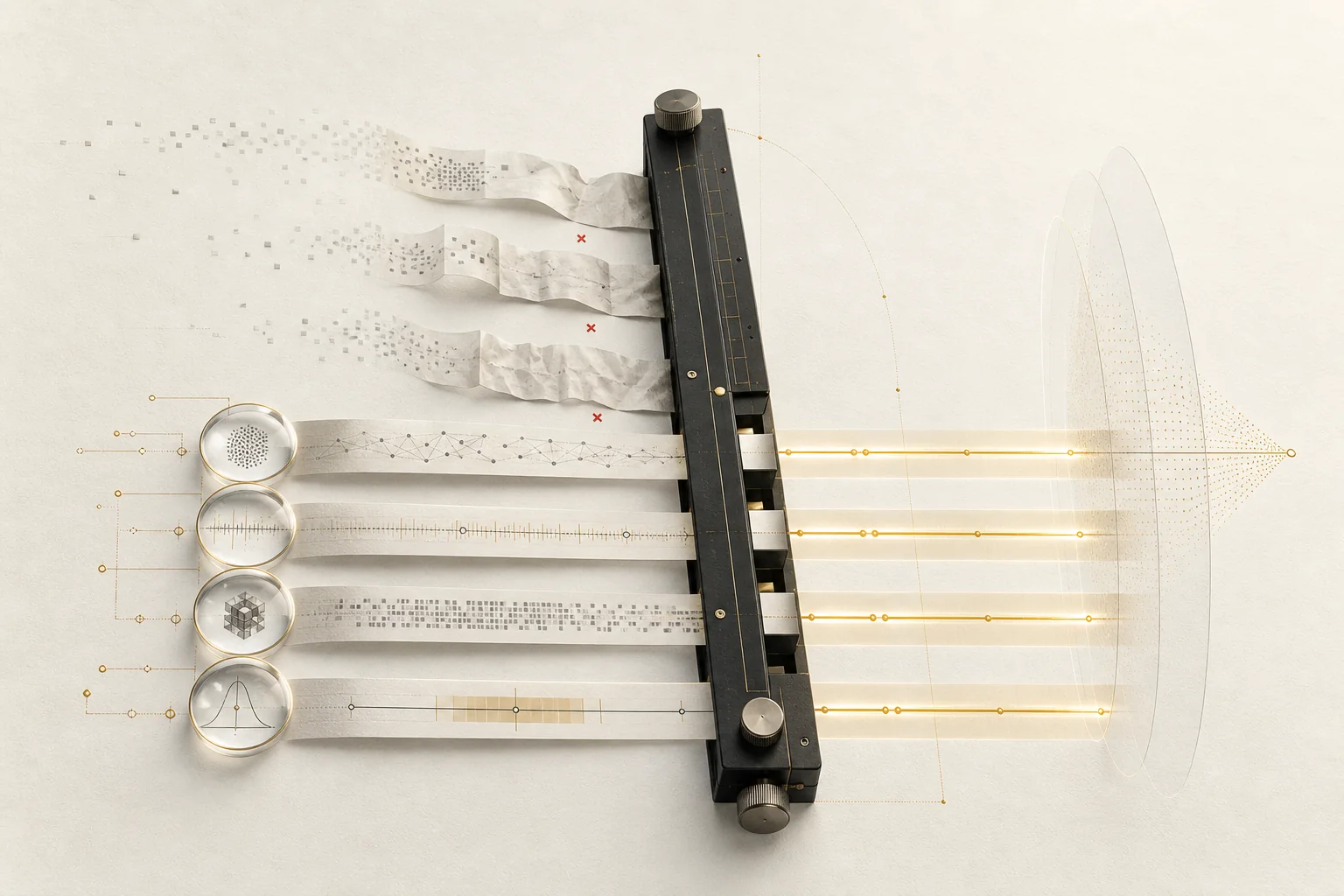
Evidence gates visual.

Core Pattern

Claims should pass through gates.

A research claim becomes stronger when every layer is explicit: what was measured, what was simulated, what was generated, what was not tested, and what would falsify the claim.

In the Wisdom Science portfolio, evidence gates connect papers, datasets, scripts, logs, negative results, and claim boundaries. The goal is not to make every result sound larger. The goal is to make each result easier to audit.

01

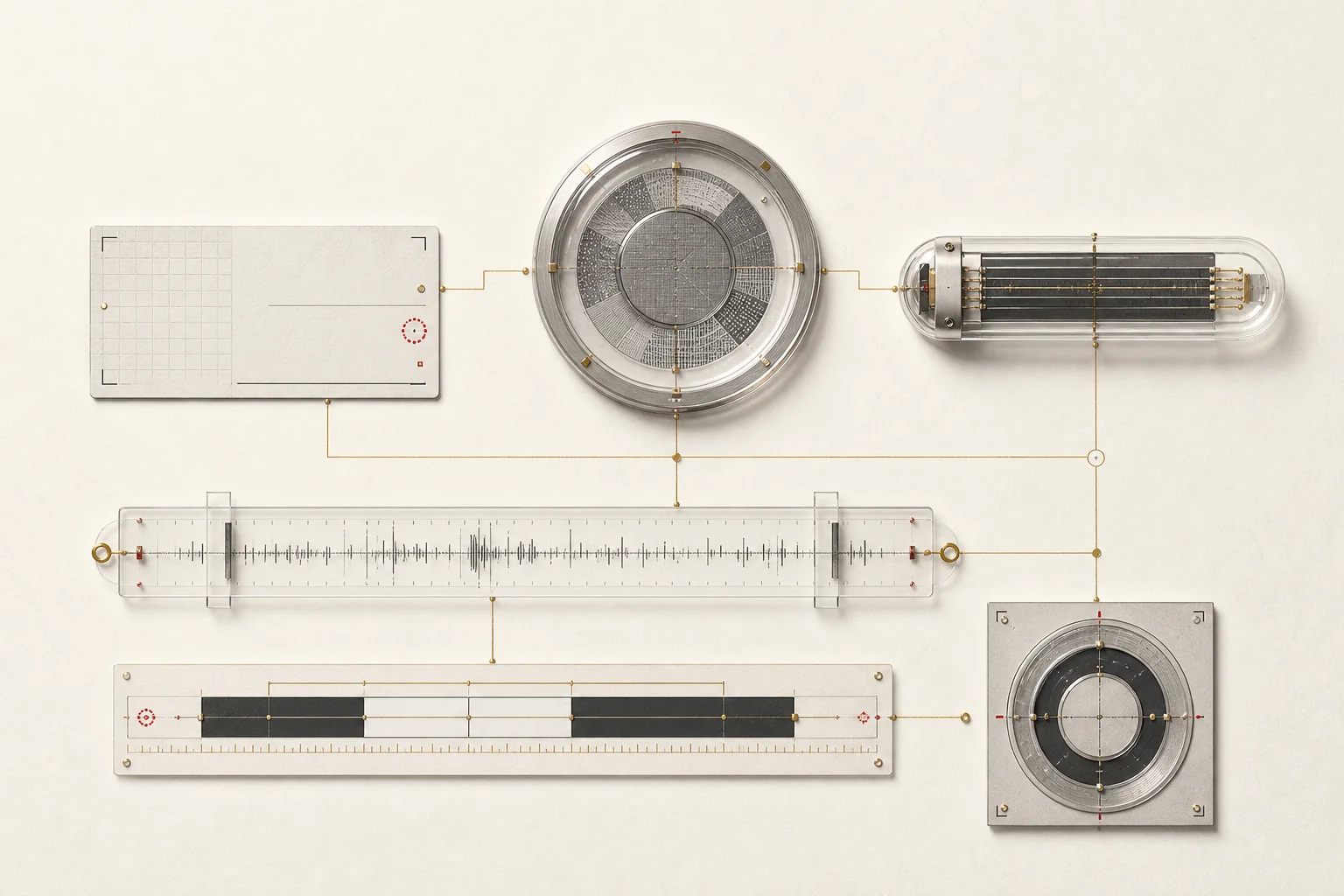
Claim

State the narrow result before expanding the interpretation.

02

Artifact

Attach the table, raw file, script, prompt, or replay path that supports it.

03

Boundary

Say what the evidence does not prove, especially for deployment, safety, or real-world operation.

04

Replay

A reader should know how to inspect, rerun, or independently challenge the result.

Claim-to-replay evidence panel.

Why It Matters

Open source is not the same as proof.

Releasing everything without structure can create noise. Releasing too little blocks verification. The useful middle path is a manifest: what to read first, which files are canonical, which assets are public, and which details are held back for safety, privacy, or conference anonymity.

  • Public DOI records establish priority and version history.
  • Anonymous supplements stay separate from public identity pages.
  • Negative results and limitations are part of the evidence.
  • Strong claims become more credible when they are easier to falsify.
Open-source boundary visual.

Claim Discipline

The public layer is useful because it is bounded.

This note does not claim that every experiment is complete, that public artifacts replace peer review, or that a portfolio DOI is a substitute for independent validation. It argues for a disciplined public evidence layer: enough to verify the direction, enough to challenge the claims, and clear enough to avoid confusing preprint visibility with final scientific consensus.