Daily Research Note ยท 2026-05-16

The agent is not a brain. It is a body.

Scaling parameters makes the brain larger. Reliable intelligence needs something else: organs, circulation, immune response, homeostasis, joints, and social calibration around the model.

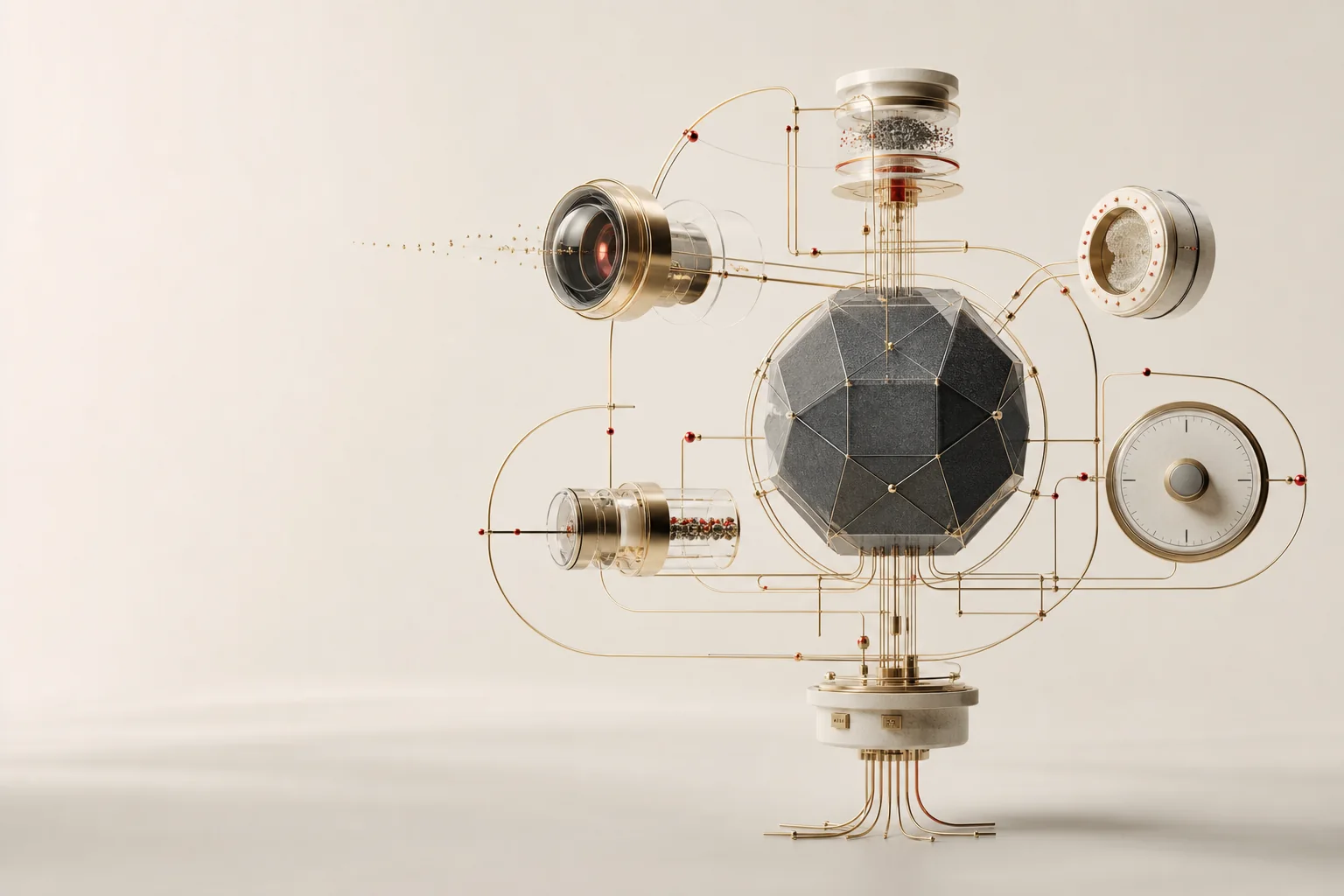
Supra-body architecture visual.

Core Pattern

A reliable system needs organs.

The model is a powerful cognitive organ, but it should not carry perception, memory, verification, safety, recovery, action, and social judgment alone. Treating a single model as the whole organism makes systems brittle, expensive, and difficult to move to edge devices.

Supra-body architecture reframes the unit of intelligence as a cooperating body: perception organs detect uncertainty, evidence circulation moves logs and context, immunity turns failures into protective patterns, homeostasis regulates autonomy, and joints translate intention into bounded action.
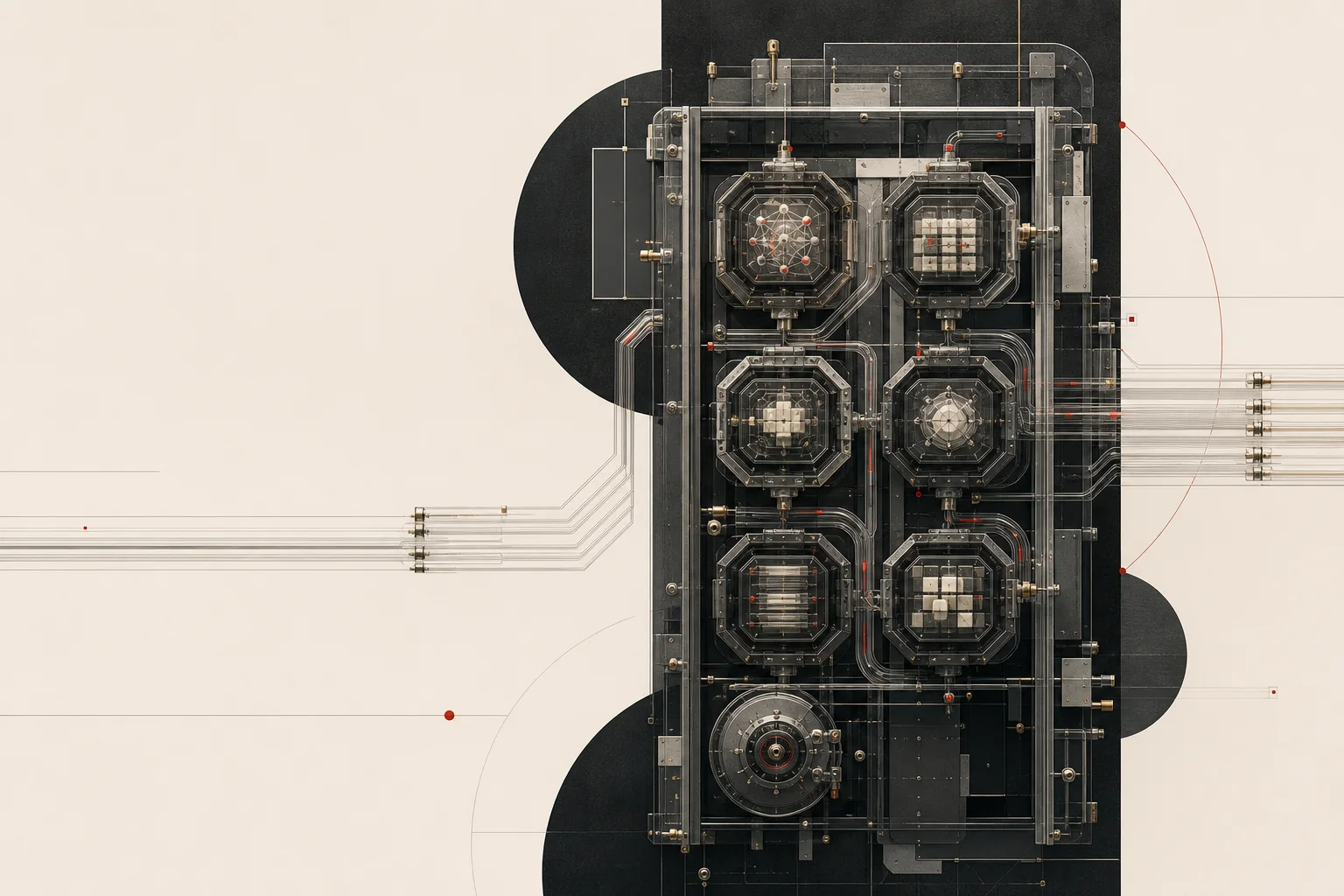
Brain

Model

Reasoning, generation, planning, abstraction, and representation search.

Blood

Evidence Flow

Logs, context, memory, provenance, and feedback that prevent every turn from starting over.

Immune

Failure Learning

Residuals, antigens, antibodies, and recovery rules that convert mistakes into structure.

Joints

Bounded Action

Interfaces that keep action constrained, reversible, and proportional to evidence.

Organ architecture map visual.

Why It Matters

The edge route is not a miniature giant brain.

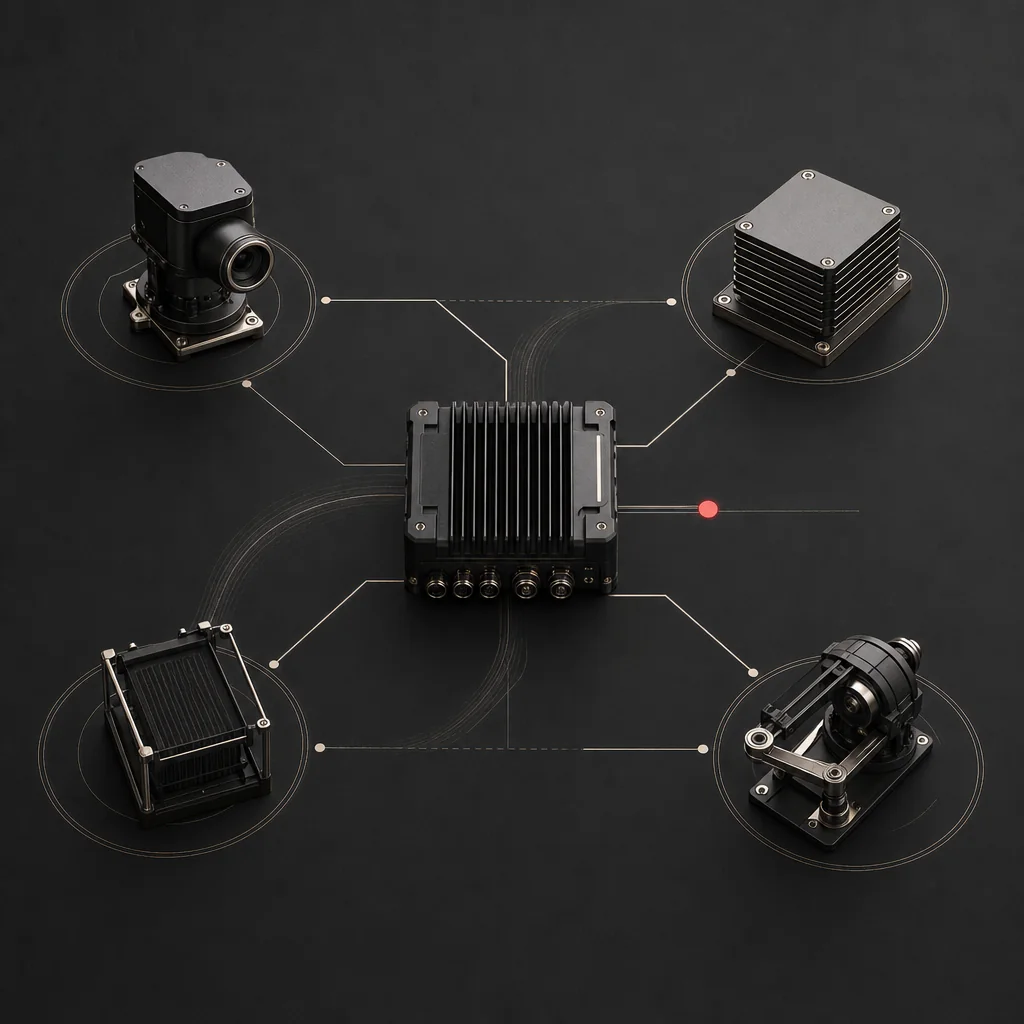
If every robot, camera, vehicle, or edge device depends on a giant central model, the economics break. A more realistic route is modular: smaller specialized organs, strong feedback loops, local memory, evidence gates, and recovery protocols that make the system wiser after contact with the world.

  • Perception should know when its representation may be wrong.
  • Memory should preserve useful failure structure, not merely transcripts.
  • Autonomy should narrow under uncertainty and expand only after evidence.
  • Action should be connected to recovery, not only prediction.

Research Links

Where this fits in the portfolio.

Edge body loop visual.

Claim Discipline

This is a system architecture thesis.

This note does not claim biological consciousness, real-robot certification, or universal autonomy. The claim is narrower and more useful: for reliable AI, especially embodied and edge AI, the correct unit of design is no longer a single answer-generating model. It is a body of cooperating functions that can sense, remember, verify, recover, regulate, and act.